Weekly Economic Outlook — Aug 3: Is the New Fed Chair to Blame for Rising Bond Yields?
By TopHolding Editorial · Monday, August 3, 2026 at 5:00 PM
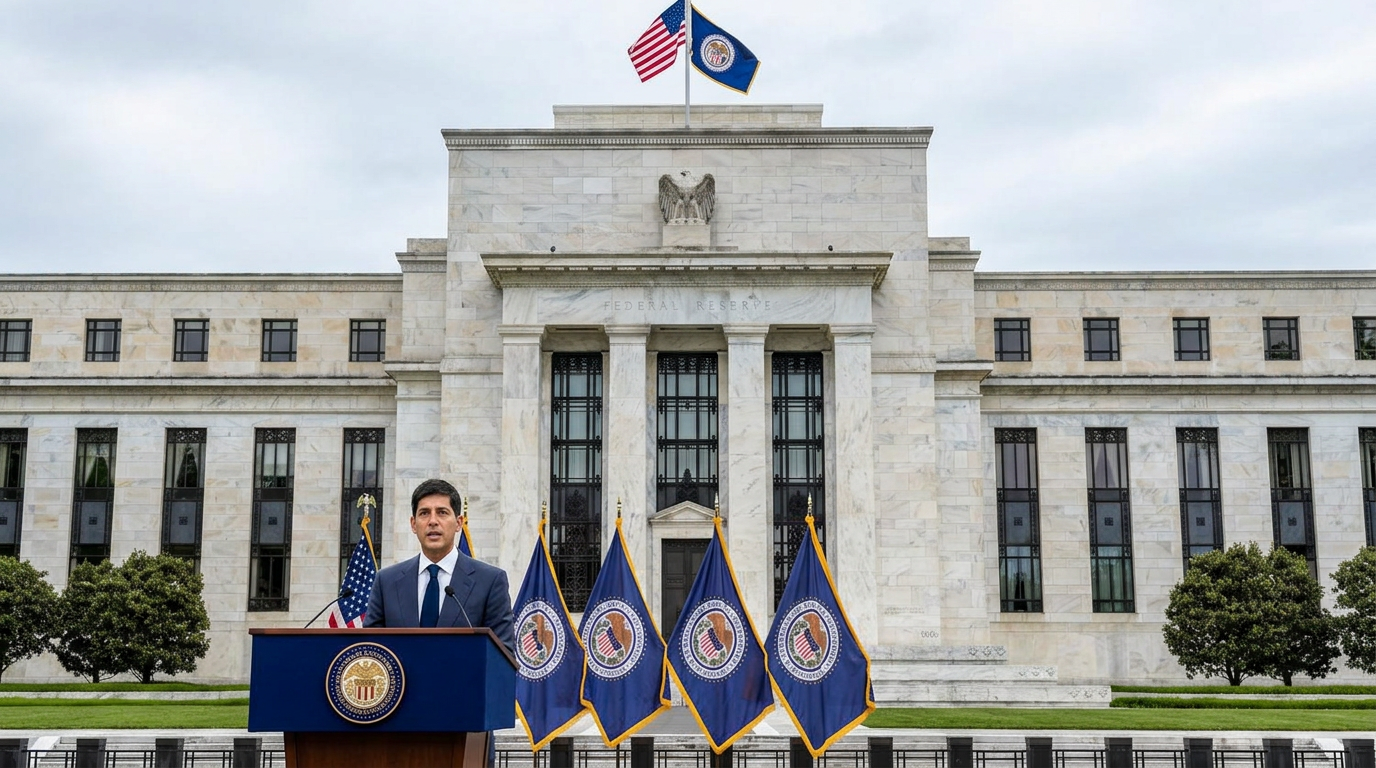
Long-term interest rates are climbing, sparking debate over the cause. While some analysts attribute the rise to the new Federal Reserve leadership, an alternative view points to mounting fiscal pressures.
Federal Reserve Chair Kevin Warsh, just ten weeks into his tenure, is facing a wave of criticism from market observers. This scrutiny coincides with a notable increase in long-term interest rates, prompting questions about the direction of monetary policy and the factors influencing bond market sentiment.
RISING RATES AND POLICY UNCERTAINTY
In recent weeks, yields on government debt have pushed higher, with the 10-year Treasury note reaching 4.68% and the 30-year bond climbing to 5.23%. A prevailing market narrative attributes this repricing to the central bank's new leadership. According to this view, the new Chair has not moved with sufficient speed to raise short-term interest rates to combat persistent inflation. This perspective was seemingly reinforced by three dissents from regional Fed bank presidents at the last policy meeting, all of whom favored an immediate rate hike.
Compounding these concerns is the new Chair’s stated desire to move the Fed away from providing explicit "forward guidance." Some analysts argue this shift has injected a new layer of uncertainty into markets, forcing investors to demand a higher risk premium on long-duration assets to compensate for less-predictable policy and potentially higher inflation down the road.
A WIDER CONTEXT
However, the focus on the new Fed leadership is viewed by some as misplaced. The current criticism stands in contrast to the relative patience afforded the previous administration, which presided over an inflation spike that peaked at 9.0%. During that period, the "transitory" inflation narrative was widely accepted, and the central bank’s zero-interest-rate policy faced less open criticism from the same quarters.
An alternative explanation for the recent rise in long-term yields centers on fiscal policy rather than monetary policy. With the national debt now exceeding $39 trillion and deficits projected to continue indefinitely, a different set of actors may be influencing rates. So-called "bond-market vigilantes" may finally be reacting to the long-term unsustainability of the nation's fiscal path, demanding higher compensation for holding government debt regardless of the Fed's short-term actions.
THE CASE FOR AND AGAINST A RATE HIKE
This is not to suggest that a rate increase would be unwarranted. Inflation has remained above the Federal Reserve's 2.0% target for more than five years. The new Chair has been clear that the goal is not merely to average 2.0% over time, but to ensure inflation remains at or below that level permanently. With short-term interest rates currently below the growth rate of nominal GDP, monetary policy is not seen as restrictive, and the economic rationale for rate cuts appears weak.
The political environment further complicates the Fed’s position. A rate hike from a recently appointed Fed Chair could provoke a strong reaction from the White House, creating a dynamic that some observers may be keen to witness. The situation draws parallels to the fall of former British Prime Minister Liz Truss in 2022, whose tax-cut proposals were blamed for a spike in bond yields, ultimately forcing her from office despite a concurrent rate hike by the Bank of England.
A NEW, MORE COMPLEX ERA
Beyond the immediate political theater, there is speculation that some criticism may be aimed at forestalling the new Chair's reform agenda. His interest in shrinking the Fed’s balance sheet and reassessing the "abundant reserves" framework adopted in 2008 represents a significant departure from the status quo. Those with a vested interest in the current system may see undermining the new leadership as a strategy to preserve it.
The operational landscape for the Fed is more complex than at any point since the tenure of Paul Volcker. The shift to an abundant reserves system has deeply enmeshed the central bank in government finance. Adding to this complexity, the Treasury Department, with a cash balance of roughly $900 billion in its General Account (TGA), has indicated it may begin using these funds to operate in the repurchase (repo) market.
Given the confluence of these factors—persistent inflation, immense fiscal pressure, a shifting policy framework, and a fraught political environment—the challenges facing the new Chair are immense. The upward move in long-term rates is likely a symptom of these broader issues rather than a simple verdict on a new official's first ten weeks. A comprehensive assessment of the new leadership's direction and effectiveness will require more time.
Key terms
1. Bond-market vigilantes: A term for investors who protest a country's fiscal or monetary policies, which they consider inflationary, by selling off its bonds. This action increases bond yields, effectively raising the government's cost of borrowing.
2. Abundant reserves framework: A system where the central bank supplies a large quantity of reserves to the banking system, well in excess of what banks are required to hold. This framework, adopted by the Fed after 2008, allows it to implement monetary policy by setting an administered interest rate rather than by making frequent small adjustments to the supply of reserves.
3. Treasury General Account (TGA): The primary operational account of the U.S. Treasury Department, held at the Federal Reserve. It is used to collect government revenues and make payments, and its balance can fluctuate significantly, impacting liquidity in the financial system.