Financial Guide
Master your money step by step — from setting goals to retiring comfortably.
Build Your Budget
Track Your Income
List all sources of income — salary, side hustles, freelancing, investments.
Categorize Expenses
Break spending into needs (housing, food, insurance), wants (dining out, subscriptions), and savings/debt repayment.
The 50/30/20 Rule
Allocate 50% of income to needs, 30% to wants, and 20% to savings and debt payoff as a starting framework.
💡 Pro Tip
Automate your savings and bill payments so you pay yourself first. Review your budget monthly and adjust as life changes.
Living Below Your Means
It is critical to live below your means — earn more than you spend and invest the difference according to your goals and risk tolerance. Some people like to focus on cutting their expenses as much as possible: don't dine out, no lattes, live in a small apartment, and drive an old car. Many financial professionals have built their careers focusing only on this side of the equation, and there is an entire subsection of society dedicated to it. On the other hand, some people prefer to focus on increasing their income. Both approaches, like anything else in life, have their pros and cons — and that is why a big part of personal finance is emotional. Every person (especially couples) needs to look in the mirror and determine what kind of person and investor they are.
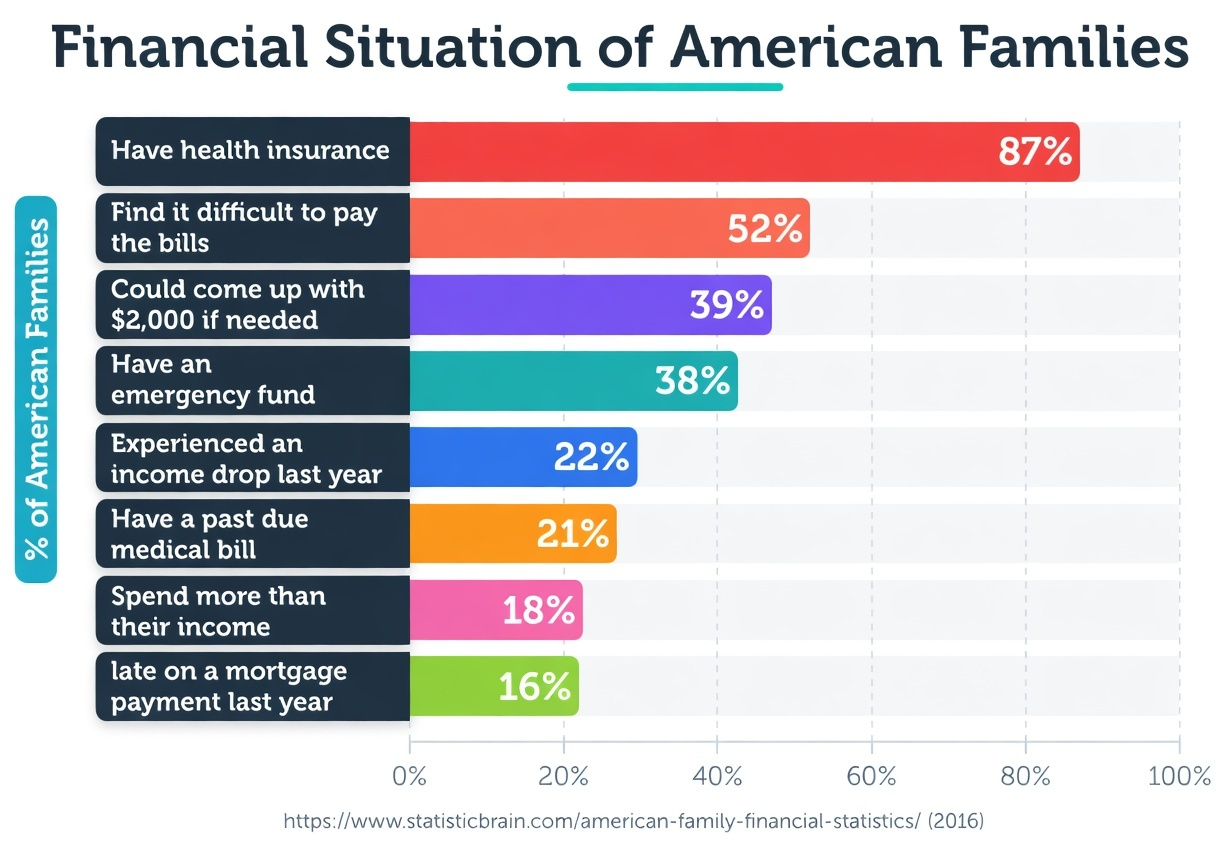
We recommend keeping your expenses in check while trying to increase your income and investing the difference. It's usually not necessary to sacrifice free time and health while navigating your financial life — try to find a balanced approach if possible. Everyone should be aware of lifestyle inflation. Lifestyle inflation happens when you increase your household spending as your income grows. If you want to build wealth and become financially independent, you should try to close the gap and invest more of your pay raise than the portion you spend.
According to the National Endowment for Financial Education, an estimated 70% of major lottery winners end up with financial difficulties. These winners often waste their winnings, while others overspend. Many end up declaring bankruptcy. Having more money does not mean you will make better financial choices.
Finding the difference between one's needs and wants, especially when married, can be the trickiest part of a successful marriage and financial life. Understanding your personal life — such as whether you like what you do, whether you're willing to do what it takes to chase a promotion and higher salary, or whether you'd rather focus on cutting your expenses — is essential to building a budget that truly works for you.
The 50/30/20 Rule — A Simple Framework for Budgeting
The 50/30/20 rule is a straightforward, popular budgeting guideline popularized by U.S. Senator Elizabeth Warren in her book All Your Worth: The Ultimate Lifetime Money Plan. It helps most people allocate their income without needing a super-detailed spreadsheet — it's simple enough for everyday use while promoting financial balance, security, and enjoyment.
The rule divides your after-tax (take-home) income into three main categories:
50%
Needs
Essentials you must pay to live and function
30%
Wants
Things that make life enjoyable but aren't strictly necessary
20%
Savings & Debt Payoff
Building security and reducing financial burdens
Key Details and How to Apply It
Start with Your Take-Home Pay
Use your net monthly income (after taxes, Social Security, health insurance deductions, etc.). If you're paid biweekly or irregularly, average it over a few months for accuracy.
Example: If your take-home pay is $4,000 per month, that's your 100% base.
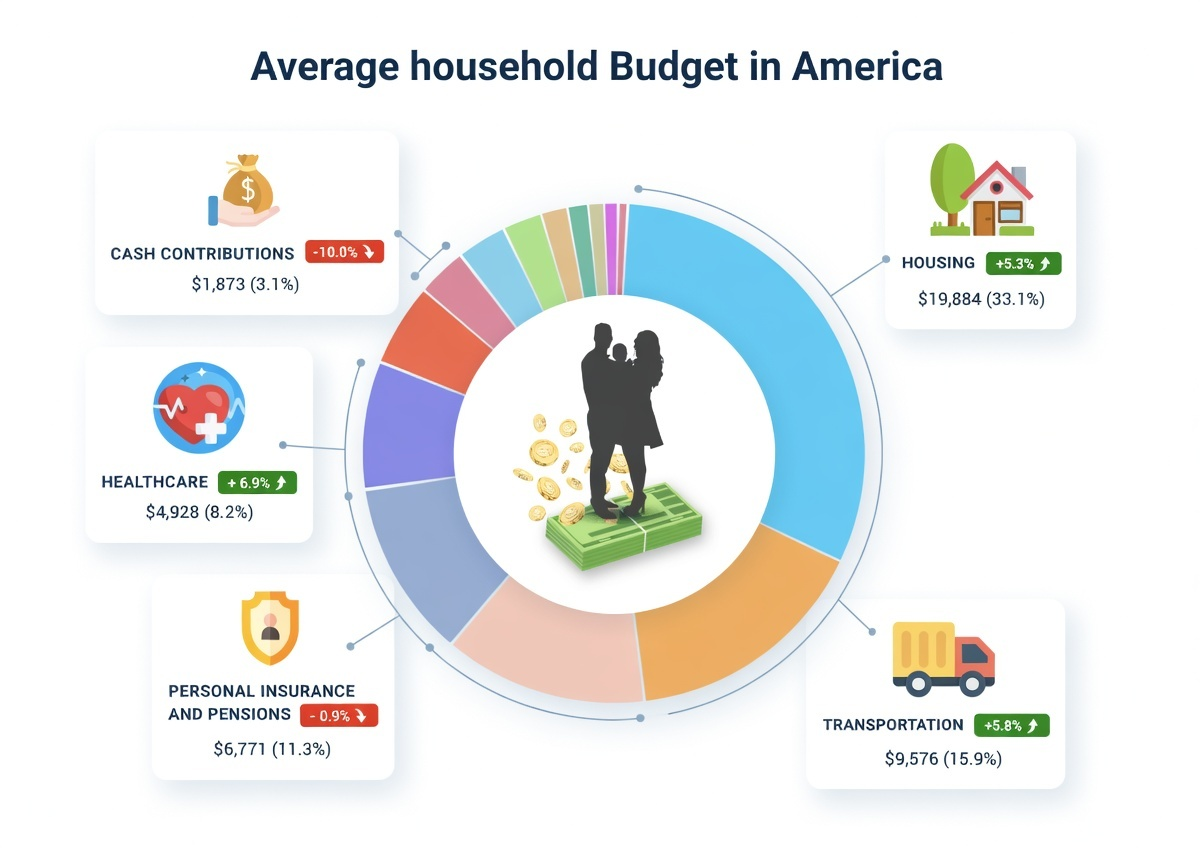
50% → Needs (Essentials)
These are non-negotiable expenses required for basic living and obligations. Cap this at (or ideally under) 50% to leave room for the other categories. Common examples include:
- Housing (rent/mortgage + property taxes if applicable)
- Utilities (electricity, water, gas, internet/phone — basic plans)
- Groceries and household essentials (food, toiletries, cleaning supplies)
- Transportation (car payment, gas, public transit, basic insurance)
- Minimum debt payments (credit cards, student loans, etc. — only the required minimum here)
- Health insurance premiums (if not pre-deducted), childcare, or basic medical costs
- Minimum clothing/shoes for work or school (not luxury items)
If needs exceed 50% (common in high-cost areas), look for ways to trim — such as cheaper housing or energy-saving habits — or temporarily adjust the rule (e.g., 60/20/20).
30% → Wants (Discretionary Spending)
This is "fun money" for things that improve quality of life but aren't survival necessities. It prevents burnout from extreme frugality. Common examples include:
- Dining out, coffee shops, takeout
- Entertainment (streaming services, movies, concerts, hobbies)
- Travel and vacations
- Non-essential shopping (clothes, gadgets, gifts)
- Gym memberships, sports leagues, or classes
- Upgraded phone plans, premium subscriptions, or extra streaming services
Track these closely — many people overspend here without realizing it.
20% → Savings + Debt Payoff (Future-Focused)
This category builds wealth and reduces stress over time. Prioritize high-interest debt first, then emergency funds, retirement, and other goals. Common uses include:
- Emergency fund contributions (aim for 3–6 months of needs)
- Extra debt payments (beyond minimums, especially high-interest credit cards)
- Retirement savings (401(k), IRA — especially employer matches)
- Other investments or sinking funds (vacation, car replacement, home repairs)
- College savings (529 plans) or other long-term goals
Automate transfers to make this effortless.
Quick Example: $4,000 Monthly Take-Home Pay
Tips for Success
- •Review monthly: Track spending for one to two months to see where you actually land, then adjust percentages if needed (e.g., 55/25/20 in high-cost areas).
- •It's flexible — not rigid. The goal is progress toward financial stability, not perfection.
- •Use free tools (like Mint, YNAB, or a simple spreadsheet) to categorize and automate your tracking.
- •If debt is overwhelming, focus more of the 20% on payoff initially.
This rule works well for about 80% of people because it's easy to understand, allows enjoyment, and forces saving — key to long-term success. If your situation is unique (very high debt, low income, or major goals), it can serve as a starting framework you tweak over time.
Only when it matters.
We'll email occasionally — only for major updates or big new additions to the Guide. No weekly noise, no inbox bombardment. A few times a year at most.